1. Let responders lead
Fire and emergency crews handle the immediate danger. Cleanup begins only when responders say the scene is safe to enter, and the team asks what they found.
Oxford, NC · Granville County
Business and fleet managers in Oxford call (877) 812-4220 to clear hazardous spills and clean affected equipment. Crews wear protective gear, document the work and keep the job as orderly as possible.
If anyone is in danger, call 911 first. For a suicide crisis, call or text 988.
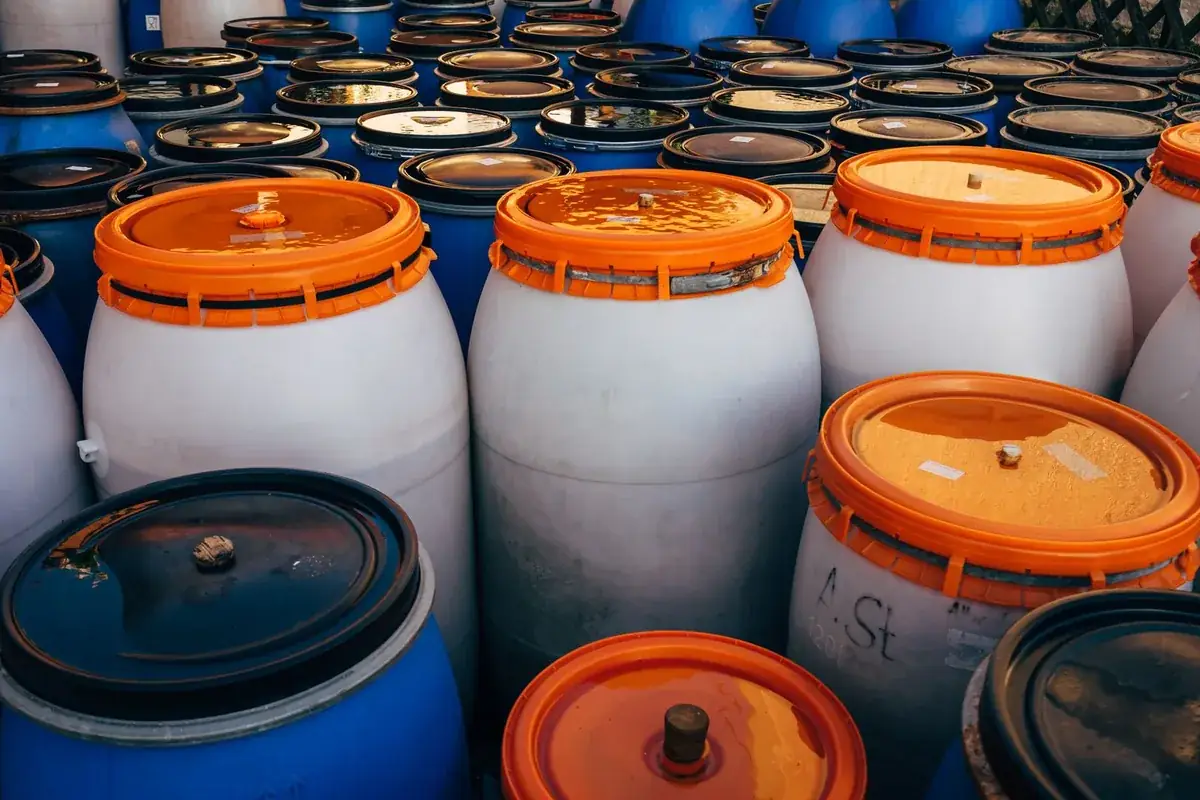
Hazmat clean up is not the same as biohazard cleanup. Hazmat deals with chemicals, fuels and gases, while biohazard work deals with blood and germs. Some sites involve both, and crews plan for each.
If fuel, solvent or a chemical release has soaked into pavement, soil or a building in Oxford, you can get it cleared with care. Call Oxford Biohazard Cleanup Help for a tidy site and a clear plan for how waste is hauled in Granville County.
Oxford receives about 47 inches of precipitation a year, and rain can wash spilled fuel and chemicals into ditches, drains and yards. FEMA lists river flood risk in Granville County as Relatively Low, which is a reminder to store fuel, solvents and chemicals off the floor and away from drains.
The work often covers:
Fire and emergency crews handle the immediate danger. Cleanup begins only when responders say the scene is safe to enter, and the team asks what they found.
Absorbent socks, berms and drain covers keep the material from traveling. Leaking containers go into secondary containment.
Soaked soil, pavement debris and porous materials are removed. Hard surfaces are cleaned, and products are never mixed.
Different materials are kept apart so they cannot react. Waste leaves the site by the route and rules that apply to its type.
Hazmat cleanup in Oxford, NC typically costs $4,000 to $40,000, depending on the size of the affected area and the materials involved.
Size and spread matter. A spill on sealed pavement is less work than one that soaked into soil, gravel or porous materials, and more material means more labor and more waste.
| Type of job | Typical range |
|---|---|
| Initial cleanup and containment | $6 - $20 per square foot |
| Small to mid-size spaces | $4,000 - $40,000 |
Estimates only, not a quote. Sources: One and Done Prep. Price drivers include type of contaminant, square footage, containment setup, waste disposal. Call (877) 812-4220 to talk through the job.
Keep people away and call 911 if there is danger. Cleanup teams place barriers and absorbents to stop the spread and remove contaminated soil or materials where needed. Local fire and health officials can say what must be reported.
Waste is sorted, labeled, packed and hauled by the rules that apply to its type. It does not go in the regular trash or down a drain. Ask the team how its waste is hauled and disposed of, and ask for records at the end.
It is the safe handling, removal and disposal of hazardous materials after a spill, leak or release. Crews identify the material and wear suitable protective gear. They contain the spread, clean the area and send waste to a facility that can accept it.
Biohazard usually means materials that carry germs, such as blood and body fluids. Hazmat means materials that are dangerous in other ways, such as chemicals, fuels and gases. Some jobs involve both. A local team can explain which applies to your situation.
Crime scene crews mainly use detergents and EPA-registered disinfectants against germs, not harsh industrial chemicals. Hazmat crews choose products to match the hazardous material instead. Products are never mixed, and labels set the contact time.
Fire and emergency crews respond to immediate dangers, so call 911 first. They make the scene safe. Cleanup usually follows once they release the site. You can then get a cleanup team for removal, cleaning and disposal, and learn what records to keep.
One call starts the process, and you decide whether to go ahead.
Call (877) 812-4220